
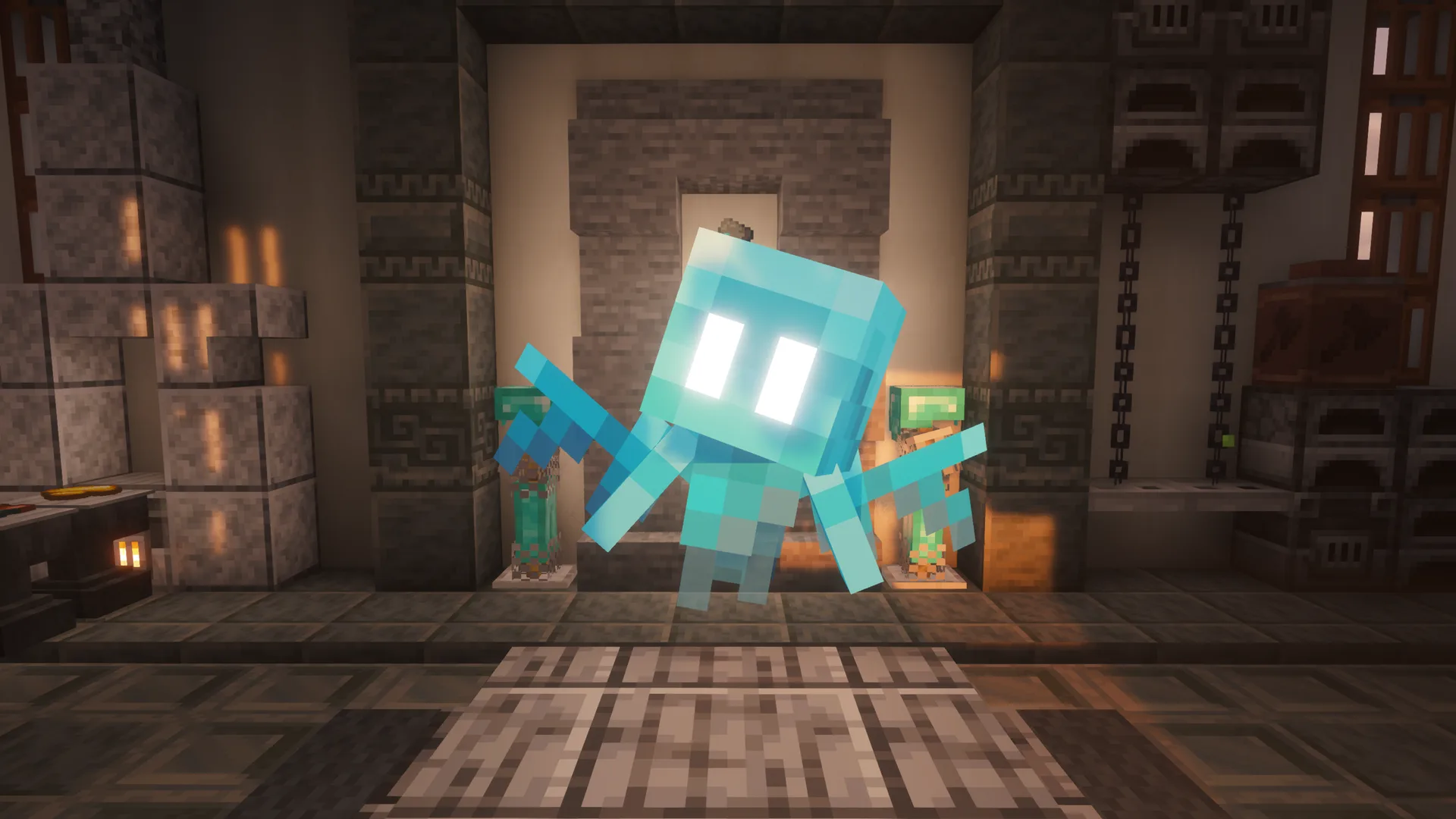
Manhunt splits players into two groups: runners and hunters. In the lobby everyone votes on the objective, options include the Ender Dragon, the Wither, the Elder Guardian, or the Nether portal. The runners get a head start, then the hunters are released after a votable delay. The hunters receive a compass that navigates them toward the nearest runner at all times. Meanwhile the runners have to survive, gather resources, and reach their goal without getting caught. Both sides only win if they think and communicate as a team. Manhunt is the most tension-filled gamemode on Coding-Area and works best for groups that want real competition.
How to play
- 1Join the server at: coding-area.net
- 2Select Manhunt mode from the lobby menu
- 3Choose your side: runner or hunter
- 4Runners: vote on the objective, gather resources, and reach it
- 5Hunters: use your compass to track down the runners and stop them
FAQ
What objectives can the runners choose?
The options are: Ender Dragon, Wither, Elder Guardian, or entering the Nether portal. Each one plays out very differently.
How many players do you need for Manhunt?
Manhunt works best with at least 3 players: one runner and at least two hunters. For intense rounds we recommend 4–8 players.
What happens when a player dies?
If all runners die, the hunters win. If a hunter dies, they can re-enter the game at the original spawn point to continue the chase. The game ends when either all runners have been eliminated or the runners reach their objective.
Can I form custom teams?
Yes, you can assign teams manually before the start or use automatic balancing to ensure fair matchups.
How long does a typical Manhunt round last?
That depends on the chosen objective and how the group plays. Rounds with the Nether portal as the goal can be decided in just a few minutes. Rounds targeting the Ender Dragon usually take considerably longer.
Does the hunt continue across all dimensions?
Yes. Hunters can follow runners into the Nether and the End. The compass always points to the nearest runner in the same dimension. In a different dimension it points to their last known position.